In the heart of East Africa, where the wetlands stretch endlessly and the skies echo with wild bird calls, there lives a bird so unique, it almost feels prehistoric. Meet the Shoebill Stork—a towering, mysterious, and utterly captivating creature that draws birdwatchers from around the world to Uganda, the best place on Earth to see it in the wild.
What is the Shoebill Stork?
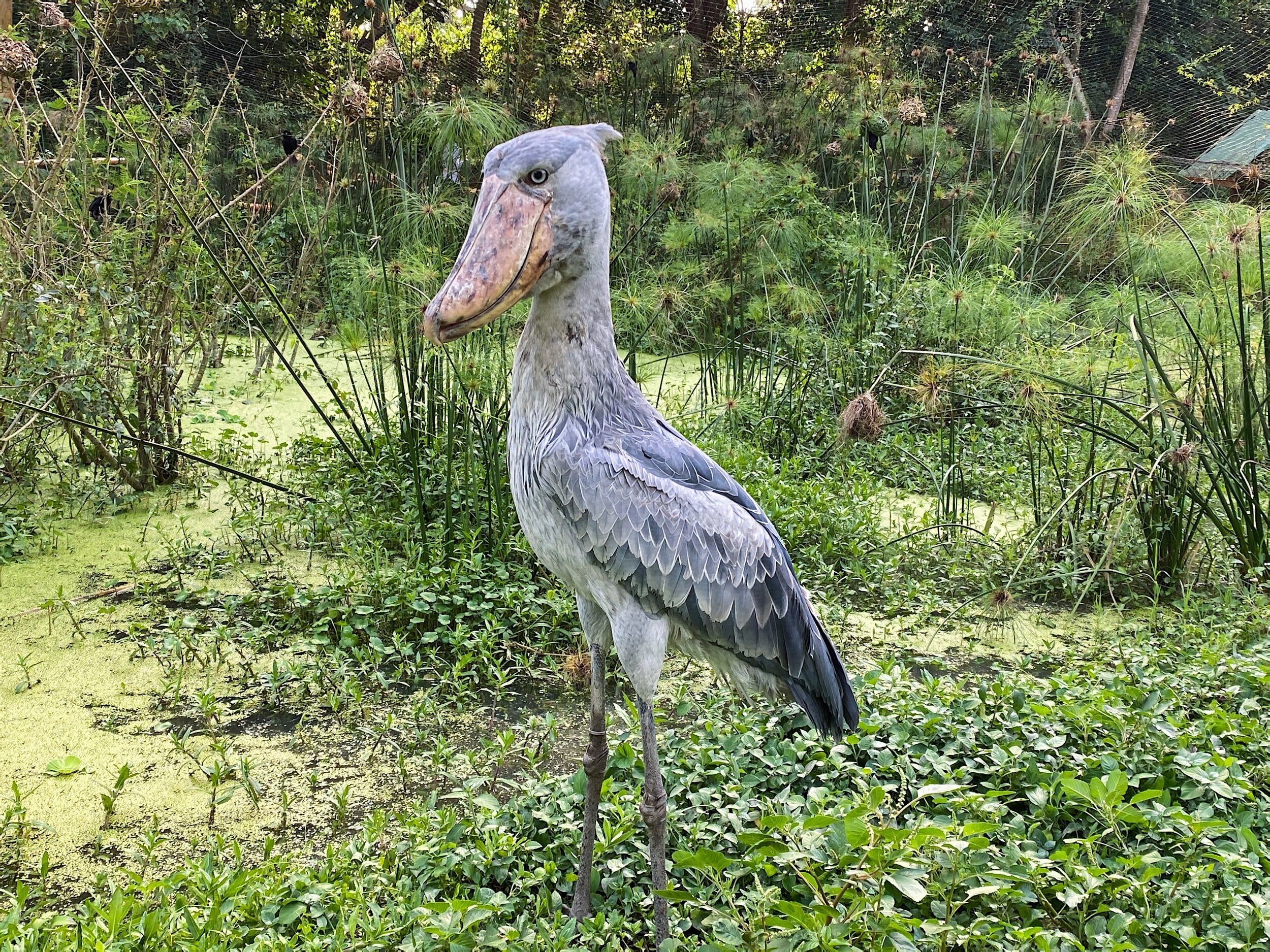
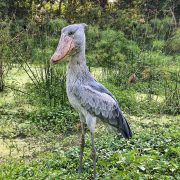
The Shoebill Stork (Balaeniceps rex), often called the “whale-headed stork,” is one of Africa’s most extraordinary birds. Standing up to 5 feet tall with an 8-foot wingspan, its most distinctive feature is its massive, shoe-shaped bill—hence the name. This bill isn’t just for show; it’s a powerful tool used to hunt lungfish, frogs, and even baby crocodiles.
Despite its size and fearsome appearance, the Shoebill is surprisingly calm and solitary. Its slow, graceful movements and deep, rattling calls make it an unforgettable sight in the wild.
Why Uganda is the Best Place to See the Shoebill
While the Shoebill can be found in a few countries across Central and East Africa, Uganda offers the most reliable, accessible, and ethical viewing opportunities. The country’s vast wetlands and swampy habitats are prime territory for this elusive bird.
Top Shoebill Hotspots in Uganda:
1. Mabamba Bay Wetland (near Entebbe)
A designated Ramsar Wetland of International Importance, Mabamba Bay is one of the easiest places to spot the Shoebill. Just an hour’s drive from Entebbe, followed by a peaceful canoe ride through papyrus-lined channels, this area offers an excellent chance of a close encounter.
2. Murchison Falls National Park (Nile Delta area)
Here, boat cruises along the Nile Delta give birders another great opportunity to spot Shoebills, often early in the morning. The park is also home to hundreds of other bird species, making it a top-tier birding destination.
3. Ziwa Rhino Sanctuary
While known for rhino tracking, Ziwa’s wetlands are a lesser-known Shoebill hideout. Early morning canoe excursions offer a more secluded and serene Shoebill experience.
When to Visit
Shoebills can be seen year-round, but the dry seasons (December–February and June–August) provide better access to wetland areas and improved visibility. Early mornings are typically best, as Shoebills are more active and easier to spot.
A Must-See for Birders and Wildlife Lovers
Even if you’re not a hardcore birder, seeing a Shoebill in the wild is an awe-inspiring experience. Its dinosaur-like appearance, graceful stillness, and powerful presence have made it one of the most sought-after birds in Africa.
For photographers, the Shoebill is a dream subject—majestic, expressive, and unlike any other bird. For conservationists, it represents the importance of preserving Africa’s wetlands and the rich biodiversity they support.
Supporting Conservation Through Ecotourism
When you travel to see the Shoebill in Uganda, you’re doing more than ticking off a bucket-list bird. You’re supporting local communities, promoting wetland conservation, and helping ensure that this remarkable species continues to thrive in its natural habitat.
Plan Your Shoebill Safari in Uganda
Whether you’re a seasoned birder or simply in search of something extraordinary, the Shoebill Stork is a wildlife experience you won’t forget. Let Uganda’s serene wetlands and expert local guides lead you to one of the most unique birding adventures on the planet.
Contact us to start planning your Shoebill safari—and discover the wild, wonderful heart of Uganda.